Fireman Retirement Playing It Cool Review
As a designer who spends more time than I care to admit staring at stitch lines and debating thread colorways, I approach every new machine embroidery design with a mix of skepticism and hope. We all know the drill: you buy a file, load it up, and pray the result looks as good on fabric as it did on the screen. Today, I am putting Fireman Retirement Playing It Cool through its paces. This isn’t just about whether the file opens in your software; it is about whether this embroidery project will actually sell, hold up to wear, and look professional when finished.
I received this graphic under the categories of Crafts and Graphics, but let’s be clear—this is a digital embroidery file meant for physical application. The title suggests a relaxed, humorous tone, which is perfect for the current market trend toward personalized gifts that celebrate life transitions. But does the visual personality match the practical demands of embroidery? Let’s dig into the details.
First Impressions and Visual Personality
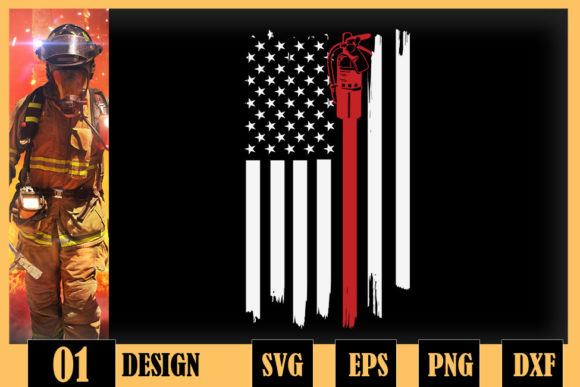
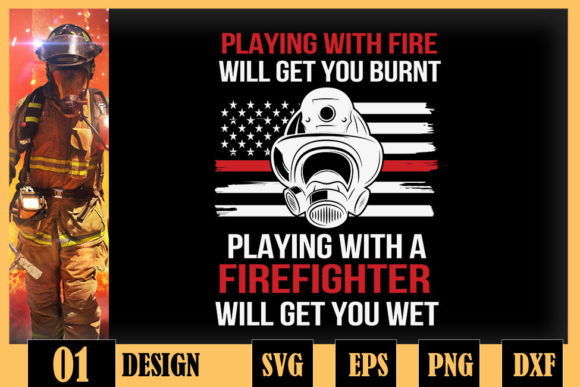
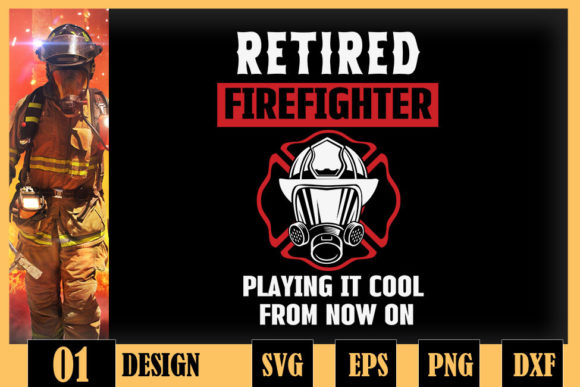
The moment you preview Fireman Retirement Playing It Cool, the mood is immediately established. It is not stiff or overly formal. Instead, it radiates a sense of camaraderie and well-earned rest. For an embroidery designer, this is crucial because the design needs to translate emotion into texture. The layout appears balanced, avoiding the cluttered look that often plagues novelty designs. The theme is clear: honoring a career in fire service while embracing a cooler, calmer lifestyle post-retirement.
From a graphic standpoint, the shapes are distinct. This matters immensely when converting vector art or raster images into stitch paths. If the original artwork has too many intricate, tiny details, they will either get lost in the stitching or cause needle breaks. In my initial review of the asset, the core elements seem robust enough to handle standard stitch density. The "Playing It Cool" aspect likely implies some playful typography or imagery, which adds character without sacrificing readability. This balance is what separates a cheap-looking souvenir from a high-quality handmade product.
Real-World Application: Where Does This Design Shine?
So, where should you place this design? I have been thinking about how this would perform in various custom apparel scenarios. My first thought was a heavyweight sweatshirt for a retired firefighter’s family member to gift. The boldness of the theme works beautifully on fleece or cotton blends. However, I also see potential in less obvious places.
Consider a custom embroidered patch for a leather jacket or a sturdy canvas tote bag. The durability required for these items aligns well with the rugged nature of the fire service theme. For an Etsy seller or small shop owner, this design offers versatility. You could create a line of personalized gifts including:
- Aprons: A kitchen towel or apron for the retiree’s new hobby cooking gigs.
- Baby Embroidery: Small versions on onesies or blankets for the next generation, playing on the legacy aspect.
- Holiday Embroidery: This fits perfectly into Q4 gift guides, serving as a meaningful present for birthdays or retirement parties.
- Caps and Hats: Structured caps can handle this kind of thematic embroidery well, especially if placed on the front panel.
The key here is recognizing that this is not just a generic fire truck graphic. It is a narrative piece. When customers buy craft business items like this, they are buying into a story. They want to feel proud wearing or displaying it. That emotional connection drives sales far more than technical specs alone.
Technical Performance and Stitch Considerations
Now, let’s talk shop. As someone who reviews these assets for actual production use, I need to know how it stitches. While the specific software compatibility includes Cricut Design Space, Silhouette Studio, Corel Draw, Adobe Illustrator, and Photoshop, the actual embroidery execution depends on how the file is digitized.
If this is being used as an applique design, the edges need to be crisp. Applique requires precise trimming and clean satin stitch borders. If the original graphic has thin lines, they might require additional stabilization to prevent puckering. Conversely, if it relies heavily on fill stitch areas, you must ensure the underlay is sufficient to keep the top thread visible and the fabric flat.
I strongly advise testing the stitch density before committing to a final run. High-density areas can make a garment feel stiff and uncomfortable, especially on baby embroidery projects or delicate fabrics. If the design includes a lot of running stitch for detailing, check that the tension is set correctly to avoid thread breakage. Also, pay attention to the hoop size limitations. If the design is large, you may need a multi-hoop sequence, which increases production time and the risk of misalignment.
Fabric and Thread Choices
The success of Fireman Retirement Playing It Cool will largely depend on your material choices. Dark fabrics like navy or black can work well, but you need high-contrast thread colors to make the design pop. Light fabrics offer a softer look but may show stabilizer marks if not removed carefully. Avoid using this design on stretchy knits unless you use a heavy-duty tear-away or cut-away stabilizer, as the movement of the fabric can distort the satin stitch edges.
For a tote bag design, consider using a natural canvas or denim. These textures complement the rugged aesthetic of the fire service theme. On a sweatshirt embroidery project, stick to solid colors to let the design stand out. Patterned fabrics can compete with the graphics, reducing the overall impact of the finished product.
Pitfalls to Avoid
Even great designs can fail due to poor execution. Here are a few areas where you need to be careful:
- Small Hoop Sizes: Do not attempt to fit this entire design into a tiny hoop if it compromises the integrity of the image. Cropping essential elements ruins the message.
- Textured Fabrics: Bouclé or heavily textured weaves can hide fine details. Stick to smooth surfaces for the best clarity.
- Dense Stitch Areas: Too much thread in one spot creates bulk. If you are layering garments, this bulk can be uncomfortable.
- Licensing: Before you start selling small shop products, double-check the license terms. Just because you bought the file does not always mean you have commercial rights for unlimited merchandise. Confirm whether you can sell finished items or if there are restrictions on digital resale.
Final Verdict for Designers and Sellers
Fireman Retirement Playing It Cool is a strong contender for anyone looking to expand their catalog of commercial embroidery items. It strikes a nice balance between humor and respect, making it appealing to a wide audience. The design assets are versatile enough for various applications, from printable mockups to physical goods.
For the embroidery file user, the compatibility list is extensive, meaning you likely already have the tools to work with it. My advice is to start with a test run on scrap fabric. Inspect the corners, check the thread color contrast, and ensure the stabilizer supports the fabric weight. If it passes those tests, you have a winner.
This design has the potential to become a staple in your craft business inventory. It resonates with a specific demographic that values craftsmanship and sentimentality. By treating it with the same care you would any premium design asset, you can create personalized gifts that customers will cherish long after the retirement party is over. Whether you are an Etsy seller looking for a niche product or a hobbyist making a special keepsake, this design delivers both style and substance.