Diversity, Equality, Unity Embroidery Review
When I pull a new digital file from the Crafts and Graphics category to test on my embroidery machine, I am rarely looking for just another pretty picture. As a designer who has spent years turning digital artwork into tangible, stitched products, I look for versatility, stitch integrity, and emotional resonance. Recently, I evaluated a design titled Diversity, Equality, Unity. On the surface, it sounds like a standard slogan file, but when you actually load it up and consider its application in real-world projects, it reveals itself as a surprisingly robust asset for both personal crafting and commercial product lines.
This review is not about the marketing copy; it is about the practical reality of stitching this design onto fabric. If you are an Etsy seller, a boutique owner, or a hobbyist maker, you need to know if this design holds up under the needle and if it translates well to your customers.
First Impressions and Visual Personality
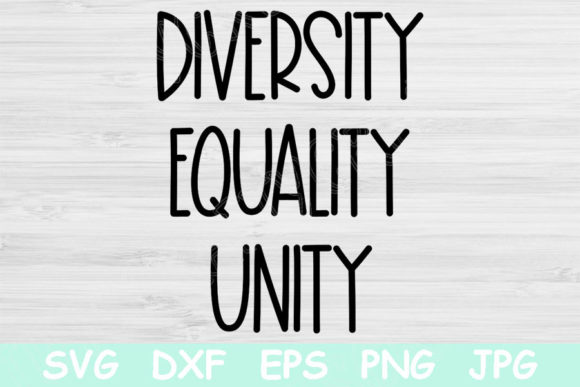
The immediate visual impact of Diversity, Equality, Unity is one of clean, declarative messaging. The layout is straightforward, relying on strong typography rather than complex illustrative elements. For an embroidery designer, this is often a double-edged sword. Simple text can look incredibly professional, but it can also look cheap if the font choice or spacing is off.
In this case, the design feels balanced. It does not scream for attention with chaotic colors or overly intricate details that might get lost in the fabric weave. Instead, it projects a mood of solidarity and calm confidence. This makes it an excellent candidate for items where the message is meant to be read clearly at a glance, such as a tote bag carried through a market or a sweatshirt worn to a community event. The visual personality is serious but approachable, which broadens its appeal significantly.
Real-World Application: Where Does It Shine?
I tested the potential of this design across several common handmade product categories. Here is how Diversity, Equality, Unity performs in specific scenarios:
- Custom Apparel and Sweatshirts: This is perhaps the strongest use case. When placed on the chest of a heavyweight cotton sweatshirt or a high-quality t-shirt, the design anchors the garment. It works particularly well for small shop merchandise aimed at activists, educators, or anyone wanting to make a subtle statement. The text remains legible even from a distance, which is crucial for apparel.
- Tote Bags and Canvas Items: A tote bag design needs to be durable and clear. The bold nature of this file means it stitches well on canvas or heavy cotton blends. It adds a layer of professionalism to what could otherwise be a plain accessory, elevating it from a simple grocery bag to a statement piece for daily carry.
- Personalized Gifts and Holiday Embroidery: During the holiday season, people often look for meaningful gifts. This design fits perfectly into that niche. It serves as a thoughtful present for teachers, nurses, or community leaders. Because the theme is universal, it avoids being too niche while still feeling deeply personal.
- Baby Embroidery and Nursery Decor: While the message is powerful, it can also work softly on baby clothes or nursery wall hangings. When stitched in softer thread colors like sage green, soft blue, or cream, it becomes a gentle reminder of values for the next generation. It transforms a simple onesie or blanket into a keepsake.
- Embroidered Patches: For those making embroidered patches for jackets or backpacks, the compact nature of the text allows it to fit neatly within standard patch dimensions. It offers a clean alternative to busy graphic designs, appealing to customers who prefer minimalist aesthetics.
Technical Considerations and Stitching Challenges
No design is perfect, and as a reviewer, I must highlight where caution is needed. The success of Diversity, Equality, Unity depends heavily on your execution.
Stitch Density and Clarity: Text-based designs live or die by their stitch density. If the fill stitch is too dense, the fabric will pucker, ruining the drape of a shirt or the structure of a cap. Conversely, if it is too sparse, the backing material may show through, giving the finished product a flimsy look. You must inspect the design closely to ensure the satin stitches around any letters are tight enough to prevent fabric show-through but not so thick that they distort the letterforms.
Fabric Texture and Stability: This design requires a stable base. Avoid using it on highly textured fabrics like bouclé or very thin, stretchy knits without proper stabilization. On stretchy fabrics, the tension of the threads can cause the text to warp or curl. Always use a cut-away stabilizer for woven garments like sweatshirts and tote bags to ensure longevity. For knitwear, a tear-away or wash-away stabilizer might suffice for smaller hoop sizes, but testing is essential.
Small Details and Lettering: Pay close attention to the smallest details in the word "Unity" or any decorative accents. If the design includes tiny serifs or fine lines, ensure your machine can handle them accurately. On dark fabric, these details might disappear unless you use a contrasting thread color or a dense underlay stitch. I strongly recommend testing the design in a black-and-white mockup first to check contrast levels before committing to expensive thread.
Strategic Advice for Sellers and Makers
If you are planning to sell finished goods featuring Diversity, Equality, Unity, consider the following practical tips to maximize value and customer trust:
- Thread Color Strategy: Do not limit yourself to standard black or white. Experiment with metallic threads for a premium feel on evening wear or accessories. Use pastel threads for baby items. The right thread choice can transform a basic design into a luxury item.
- Placement Matters: While center-chest is standard, consider off-center placements for a more modern, artistic look on hoodies or dresses. Back prints can also work well if the design size permits, allowing for larger, more impactful stitching.
- Commercial Licensing: Before listing this as a commercial embroidery product, verify the license terms of the original digital file. Some creators allow unlimited commercial use, while others restrict the number of items sold. Clear licensing protects your business and builds trust with buyers who want ethical sourcing.
- Mockup Presentation: When creating printable mockups for your Etsy listings or website, show the design on different fabric textures. Highlight how the light catches the satin stitch. This helps customers visualize the quality and depth of the embroidery, reducing returns due to mismatched expectations.
Final Verdict
Diversity, Equality, Unity is a solid, reliable addition to any embroidery designer’s library. It is not flashy, but it is effective. It respects the medium of embroidery by prioritizing clarity and balance over unnecessary complexity. Whether you are creating a single personalized gift for a friend or building a line of small shop products for global sale, this design offers a strong foundation.
It succeeds because it understands its audience. People who buy embroidered goods with this message are looking for connection and identity. By delivering a clean, well-stitched product, you honor that intent. Just remember to test rigorously, choose your materials wisely, and always prioritize the finish quality. When done right, this design does more than just decorate fabric; it communicates values with precision and care.