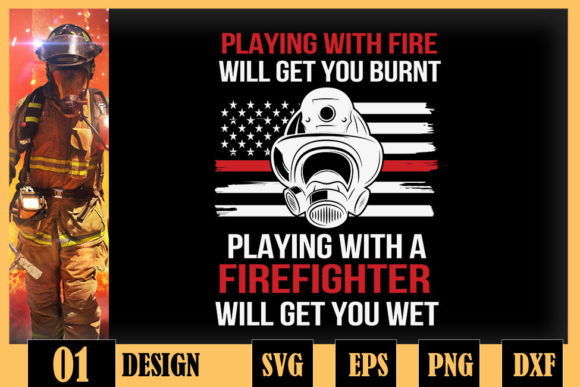
Playing with Fire Will Get You Burnt: A Designer’s Review
When I browse through new digital assets for my studio, I am constantly looking for designs that balance visual impact with technical feasibility. It is not enough for a design to look good on a screen; it must translate flawlessly into thread. Today, I am evaluating a graphic titled Playing with Fire Will Get You Burnt. As an experienced designer and reviewer, I want to share my honest perspective on how this piece fits into real-world embroidery projects, from boutique merchandise to personalized gifts.
This product falls under the broad categories of Crafts and Graphics, but its true value lies in its application. The title itself suggests a bold, slightly rebellious attitude. For designers working in custom apparel or handmade goods, capturing that kind of personality is challenging. This design promises to deliver a strong message, but the question remains: does it hold up under the needle?
First Impressions and Visual Personality
The immediate appeal of Playing with Fire Will Get You Burnt is its thematic consistency. Whether it relies on flame motifs, warning signage aesthetics, or stylized typography, the mood is unmistakable. In my experience, designs with clear themes perform better because they tell a story instantly. This graphic feels like it belongs in the realm of edgy streetwear, punk-inspired accessories, or humorous novelty items. It creates a sense of playful danger that resonates well with younger demographics and creative subcultures.
From a layout perspective, the design appears to prioritize readability and visual weight. This is crucial for embroidery, where fine details can get lost if the stitch density is too high or the spacing is too tight. The composition seems designed to command attention, making it an excellent candidate for statement pieces like back-print sweatshirts or large tote bag designs. However, the "fire" theme requires careful handling of negative space to ensure the design does not feel cluttered once stitched.
Real-World Application: Where This Design Shines
I recently considered using this design for a batch of custom embroidered patches intended for denim jackets. The concept of "playing with fire" pairs naturally with the rugged texture of denim and leather. If executed correctly, Playing with Fire Will Get You Burnt would add a layer of character to any garment. It transforms a basic jacket into a curated fashion item.
Beyond apparel, this graphic has significant potential in the home decor and gift market. Imagine this design stitched onto a heavy-duty canvas apron for a barbecue enthusiast or a chef who appreciates dark humor. The durability required for kitchen textiles aligns well with the robust nature of fire-themed graphics. Similarly, for holiday embroidery projects, particularly around Halloween or winter holidays involving bonfires, this design offers a timely and relevant option for crafters selling seasonal goods.
For Etsy sellers and small business owners, versatility is key. This design could easily be adapted for baby embroidery projects, though the tone would need to be softened depending on the target audience—perhaps used on a onesie as a humorous nod to parenting chaos. It also works exceptionally well for cap embroidery, where the curved surface adds a dynamic element to the text and imagery. When viewed as a digital embroidery file, its adaptability across various fabric textures makes it a valuable asset for commercial embroidery operations.
Technical Considerations and Potential Pitfalls
While the artistic vision is strong, practical execution is where many designs fail. I advise extreme caution when placing Playing with Fire Will Get You Burnt in small hoop sizes. Fine lines and intricate flame details may merge together, resulting in a muddy appearance rather than a crisp image. If you are working with limited space, such as on a baseball cap or a small chest pocket, test the design thoroughly before committing to production.
Fabric choice plays a critical role in the final outcome. Textured fabrics, such as bouclé or heavy tweed, can obscure the finer details of the graphic. Thin or stretchy fabrics require proper stabilizer support to prevent puckering, especially if the design contains dense fill stitch areas. Dark fabrics can sometimes hide lighter thread colors, so ensuring sufficient contrast is essential for visibility. Additionally, layered garments or curved surfaces demand precise digitizing to maintain alignment and tension.
Another area requiring attention is the lettering. If the design includes small text, inspect it closely in black and white mockups to check legibility. Tiny letters often become illegible after stitching, particularly if running stitch is used without adequate backing. Decorative accents should be balanced against the main elements to avoid overwhelming the eye. For products that need frequent washing, such as aprons or baby clothes, ensure that the thread colors chosen are colorfast and that the stitch density is appropriate for long-term wear.
Designer’s Checklist for Success
- Test on Scrap Fabric: Always run a sample stitch-out on the actual fabric you plan to use. This reveals issues with tension, thread pull, and color contrast that simulations cannot show.
- Check Stitch Density: Review the underlying code if possible. Excessive density can cause fabric distortion, while insufficient density may lead to visible fabric peeking through.
- Confirm Hoop Size: Ensure your machine’s hoop accommodates the design dimensions comfortably, leaving room for accurate positioning.
- Inspect Small Details: Zoom in on the digital file to identify any potentially problematic corners or thin lines that might break during stitching.
- Use Proper Stabilizer: Select a stabilizer (cut-away, tear-away, or wash-away) that matches the fabric’s stretch and weight to maintain stability during the embroidery process.
- Compare Backgrounds: Test the design on both light and dark fabric backgrounds to ensure the thread colors pop appropriately.
- Verify Licensing: Before creating finished products for sale, confirm whether the license allows for commercial use. Many digital assets have restrictions on resale.
Impact on Brand and Customer Perception
A well-executed embroidery project enhances brand consistency and professionalism. When customers see a clean, precise stitch job on a Playing with Fire Will Get You Burnt design, it signals quality and attention to detail. This boosts customer trust and increases the perceived value of the handmade product. In the competitive landscape of craft fairs and online marketplaces, standout designs help capture buyer engagement.
Furthermore, the emotional resonance of the design contributes to its giftability. People buy personalized gifts not just for utility, but for the sentiment or humor behind them. This graphic’s witty phrase makes it an ideal choice for funny gifts, birthday presents, or corporate swag with an edge. By offering such distinctive design assets, creators can differentiate their shops and attract a loyal following.
Final Verdict
Playing with Fire Will Get You Burnt is a compelling addition to any designer’s library, provided it is used with technical awareness. Its bold theme and versatile layout make it suitable for a wide range of applications, from custom apparel to decorative home goods. However, success depends on respecting the limitations of embroidery as a medium. By testing carefully, choosing the right materials, and maintaining high standards of execution, you can transform this digital graphic into a stunning finished product that delights customers and elevates your craft business.
Whether you are an Etsy seller looking to expand your catalog or a hobbyist crafting unique gifts, this design offers a exciting opportunity to explore edgier aesthetics. Just remember: while the design plays with fire, your craftsmanship should keep everything firmly under control.