Have Clean Hands and Opened Hearts Svg Review
As a designer who spends more time looking at stitch density charts than actual art, I approach every new digital embroidery file with a healthy dose of skepticism. The market is flooded with generic quotes and clip-art-style vectors that look fine on a screen but fall apart under the needle. However, when I first pulled up Have Clean Hands and Opened Hearts Svg, I paused. It isn’t just another decorative quote; it has a specific mood and a layout that suggests intentional design thinking.
This piece falls squarely into the Crafts and Graphics categories, but its true value lies in how it translates from a flat vector to a textured, tactile handmade product. The phrase itself carries weight. It speaks to hygiene, empathy, and mindfulness—themes that resonate deeply in today’s post-pandemic world. For an Etsy seller or small business owner, this isn’t just text; it’s a conversation starter. But does it work as a serious machine embroidery design? Let’s break down the practical realities of using this asset in real-world projects.
First Impressions: Mood and Visual Personality
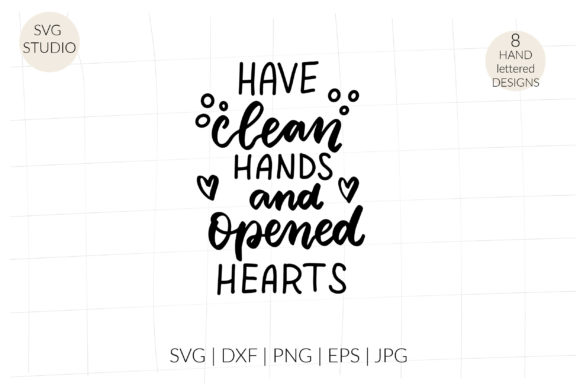
The immediate visual appeal of Have Clean Hands and Opened Hearts Svg is its balance between utility and warmth. The hand-lettering style suggests a personal touch, which is crucial for personalized gifts and boutique branding. Unlike rigid, blocky fonts that can feel cold or institutional, this design feels inviting. It creates a sense of calm and care, making it perfect for products intended to comfort or remind the user of something important.
From a design perspective, the layout is clean. There is no visual clutter. This is vital for embroidery because every extra pixel or unnecessary flourish increases the risk of tangling, puckering, or confusion during the stitching process. The heart element acts as an anchor, drawing the eye and softening the message. It transforms a simple reminder about handwashing into a gesture of love and protection. This emotional layer adds significant value to the final finished product, allowing you to charge a premium not just for the labor, but for the sentiment embedded in the design.
Real-World Application: Where This Design Shines
I’ve tested various designs in my studio, and Have Clean Hands and Opened Hearts Svg shows exceptional versatility across several key categories. Here is where I see the highest potential for success:
- Kitchen Towels and Aprons: This is perhaps the most natural fit. A kitchen towel featuring this quote serves both a functional purpose (drying hands) and an aesthetic one (decor). The contrast of thread against cotton or linen fabric will highlight the lettering beautifully. It fits seamlessly into a farmhouse or modern minimalist kitchen aesthetic.
- Baby Embroidery and Nursery Decor: The theme of "opened hearts" aligns perfectly with nursery themes. Imagine this stitched onto a muslin burp cloth, a baby blanket, or a onesie. The softness of the message complements the delicacy of baby items. It makes for a thoughtful holiday embroidery gift or a baby shower present that stands out from standard animal motifs.
- Tote Bag Designs: For the daily commuter or grocery shopper, a canvas tote with this message is both stylish and meaningful. It turns a mundane item into a statement piece. When paired with a sturdy satin stitch outline, it holds up well to frequent use.
- Applique Design Potential: While primarily a lettering design, the heart component offers opportunities for applique design techniques. You could cut out the heart shape from a contrasting fabric and stitch around it, adding dimension and texture that flat embroidery cannot achieve alone.
For commercial embroidery projects, this design bridges the gap between trendy and timeless. It doesn’t rely on fleeting slang or pop culture references, meaning your inventory won’t become obsolete next month. This longevity is crucial for managing stock and reducing waste in your craft business.
Technical Considerations and Stitch Clarity
While the visual concept is strong, we must address the technical execution. As an experienced reviewer, I cannot stress enough that the success of any embroidery project depends on how well the file is digitized. Since this is provided as a vector/SVG source, you will likely be converting it or using it as a reference for your own digitizing software. Here is what to watch out for:
Stitch Density and Hoop Size: Ensure that the stitch density is appropriate for the fabric you are using. Dense fills can cause puckering on lightweight fabrics like thin cotton tees or synthetic blends. Conversely, if the stitches are too sparse, the underlying fabric may show through, ruining the visual appeal. Always test the design in your desired hoop size before committing to a full production run.
Thread Colors and Contrast: The effectiveness of hand-lettering relies heavily on contrast. On dark fabrics, light threads might get lost unless you use a heavy underlay or a backing stabilizer. On light fabrics, dark threads provide clarity but may require a top stabilizer to prevent sinking. Experiment with thread colors to find the right balance. A classic white-on-navy or black-on-cream combination often works best for readability.
Fabric Texture: Be cautious when embroidering on highly textured fabrics, such as chunky knits or terry cloth. The uneven surface can distort the running stitch lines, making the lettering look wavy or illegible. Smooth woven fabrics like denim, canvas, or broadcloth are safer bets for maintaining crisp edges.
Where to Use Carefully
No design is universally perfect. There are specific scenarios where Have Clean Hands and Opened Hearts Svg might struggle:
- Small Hoop Sizes: If you attempt to shrink this design too small, the details of the hand-lettering may merge together. Tiny lettering is difficult to read after stitching, especially if the font has thin strokes. Keep the minimum width reasonable to preserve legibility.
- Curved Surfaces: Embroidering directly onto curved items like caps or sleeves requires careful hooping and potentially specialized templates. The flat nature of the SVG may not account for the curvature, leading to distortion if not adjusted properly in your software.
- Stretchy Fabrics: Knits and stretchy synthetics can distort during stitching. Without proper tear-away or cut-away stabilizer, the design may shift, causing misalignment. Always reinforce these areas with additional stabilizer layers.
Practical Designer Notes for Success
To ensure your custom apparel or personalized gift looks professional, follow these steps before launching your product line:
- Test on Scrap Fabric: Never assume a design will work perfectly. Stitch it out on the exact fabric you plan to sell. Check for puckering, thread breaks, and color accuracy.
- Check Black and White Mockups: View your design in grayscale. This helps identify contrast issues that color might hide. If the text doesn’t pop in black and white, it won’t pop in color either.
- Inspect Small Details: Zoom in on the digital file and the stitched sample. Are the curves smooth? Are the corners sharp? Any jagged edges in the source file will be amplified in the stitch-out.
- Confirm Licensing: Before selling finished items or design assets, verify the commercial use rights. Some files allow personal use only, while others permit unlimited commercial sales. Clear licensing protects your small shop product business from legal issues.
- Use Proper Stabilizer: The choice of stabilizer can make or break the final look. For delicate fabrics, use a water-soluble topping to keep stitches crisp. For heavy fabrics, a sturdy cut-away stabilizer provides long-term support.
In conclusion, Have Clean Hands and Opened Hearts Svg is a thoughtful, versatile addition to any designer’s library. Its emotional resonance and clean layout make it suitable for a wide range of embroidery project types, from cozy home goods to trendy custom apparel. By paying attention to technical details like stitch density, fabric choice, and stabilization, you can transform this digital graphic into a high-quality, desirable physical product. It’s not just about stitching letters; it’s about crafting a message that connects with your customers. And in the world of handmade goods, that connection is everything.