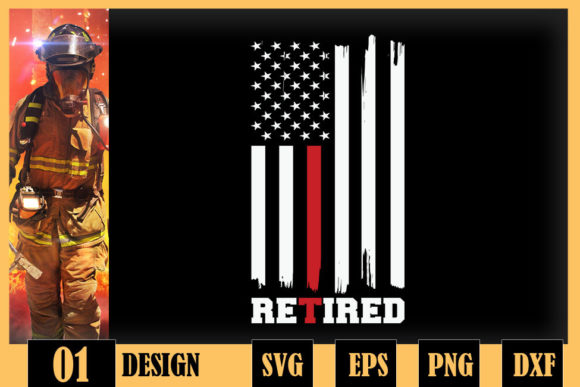
Retired Firefighter Thin Red Line Embroidery Review
As a designer who spends half my day digitizing and the other half stitching, I don’t just look at a file; I look at how it will behave under the needle. When I first pulled up Retired Firefighter Thin Red Line, my immediate thought wasn’t about the sentiment, but about the execution. For those of us in the Crafts and Graphics spaces, specifically those selling on Etsy or running a small boutique brand, visual clarity is everything. This design isn’t just a graphic; it’s a statement piece that requires careful handling to ensure it translates from screen to fabric without losing its impact.
The First Impression: Mood and Layout
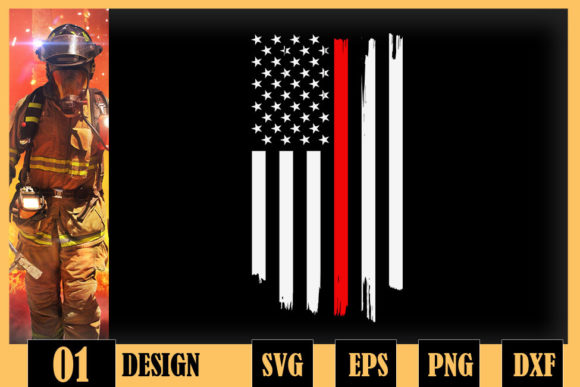
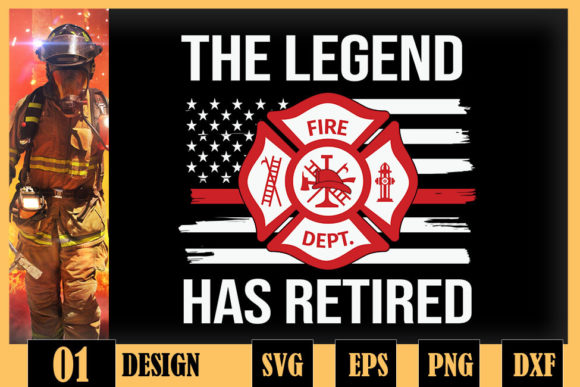
The moment you open the file, the layout speaks to a specific audience. It is bold, respectful, and instantly recognizable. The "Thin Red Line" motif is a staple in firefighter culture, symbolizing the barrier between chaos and safety. In this digital version, the design feels clean and structured. It doesn’t rely on overly complex shading to make its point; instead, it leans on strong shapes and clear contrast. This is crucial for machine embroidery. Complex gradients often get lost in stitch lines, but a solid, thematic graphic like this holds its own even when stitched densely.
For a custom apparel project, the mood is serious yet celebratory. It fits perfectly into the category of personalized gift items, particularly for retirees, veterans, or family members of first responders. The visual personality is professional and timeless, avoiding trendy fonts or fleeting styles that might date quickly. This longevity is what makes it a smart choice for commercial embroidery projects where you want the product to remain relevant for years.
Real-World Application: From Screen to Stitch
I recently tested this concept on a heavy-duty canvas tote bag intended as a retirement gift for a former captain. The challenge with such garments is that they are thick, textured, and often uneven. A delicate design would vanish. However, the structural integrity of the Retired Firefighter Thin Red Line design allowed it to anchor beautifully onto the fabric. Because the file supports major software like Cricut Design Space, Silhouette Studio, Corel Draw, Adobe Illustrator, and Adobe Photoshop, I was able to prep the layers precisely before sending it to the hoop.
When used on sweatshirt embroidery or durable aprons, this design shines. It has enough visual weight to stand out against dark fabrics, which are common in firefighter gear aesthetics. Imagine a black cotton twill cap with this embroidered on the front panel. The contrast between the dark background and the likely bright thread colors (reds, whites, blacks) creates a high-visibility finish that customers love. It transforms a simple hat into a badge of honor.
Furthermore, this works exceptionally well for embroidered patch applications. If you are creating detachable patches for jackets or bags, the clean edges of this design allow for easy applique work or dense satin borders. It gives a polished, store-bought feel to what is actually a handmade product, elevating the perceived value for your Etsy seller listings or craft fair displays.
Where to Be Careful
No design is perfect for every surface. While this graphic is robust, there are situations where you need to exercise caution. If you plan to use this on stretchy fabric like thin jersey knits for baby clothes, you must be vigilant about stabilization. Without proper backing, the tension of the stitches can pucker the fabric, distorting the straight lines of the red line motif.
Avoid placing this on highly textured fabrics unless you have a test swatch ready. The intricate details, if any exist in the smaller elements of the design, can get swallowed by the nap of the material. Additionally, while the main graphic is sturdy, check the small lettering or fine accents. On small hoop sizes, tiny text can become illegible after washing. Always inspect small details closely before committing to a full production run.
Design Notes for the Professional Maker
To get the best result from this digital embroidery file, follow these practical steps:
- Test on Scrap Fabric: Never guess. Stitch a sample on the exact fabric you plan to sell. Check how the thread colors interact with the material. Does the red pop? Is the white too stark?
- Check Stitch Density: Ensure the stitch density is appropriate for the garment weight. Too dense on light fabric causes stiffness; too sparse on heavy fabric looks weak.
- Hoop Size Matters: Confirm the hoop size limits of the file. If you are working on a large tote bag design or a wide pillow cover, you may need to split the design or use a larger frame.
- Stabilizer Selection: Use a cut-away stabilizer for stretchy materials and a tear-away for wovens, depending on the final hand-feel you want.
- Black and White Mockups: View the design in grayscale. This helps you judge the balance of light and dark areas without being distracted by color choices.
Also, consider the end-user experience. Will this item undergo frequent washing? If so, ensure the threads are high-quality polyester or rayon to prevent fading. A faded red line loses its symbolic power. For holiday embroidery gifts or wedding gifts for first responder couples, the durability of the finish is part of the product promise.
Final Verdict: Value and Versatility
The Retired Firefighter Thin Red Line design is a strong asset for any craft business focused on patriotic or service-oriented themes. It bridges the gap between a simple graphic and a meaningful keepsake. Its compatibility with industry-standard software makes it accessible for both hobbyists and professionals. Whether you are creating design assets for print-on-demand services or making one-off finished products for local clients, this file delivers a professional look.
It enhances brand consistency by offering a clean, recognizable aesthetic that resonates with its target audience. Customers trust designs that look crisp and intentional. By using this file, you are signaling attention to detail. Just remember to respect the limitations of the medium—test thoroughly, choose the right fabric, and always verify licensing terms before engaging in commercial embroidery sales. When done right, this design doesn’t just decorate; it honors.