Firefighter Mom Thin Red Line Flag Review
As a designer who spends more time than I care to admit staring at stitch lines and debating thread tension, I don’t just buy embroidery files—I test them. I look for clarity, emotional resonance, and practicality. When Firefighter Mom Thin Red Line Flag landed in my queue, I didn’t see it merely as another graphic asset. I saw a potential centerpiece for a very specific, high-emotion niche: the families of first responders. This review breaks down how this design holds up when moved from screen to fabric, specifically for those of us running small shops, crafting personalized gifts, or building a brand around heartfelt, handmade products.
First Impressions: Mood and Visual Personality
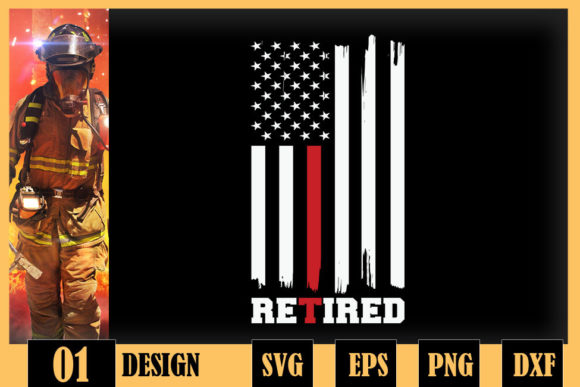
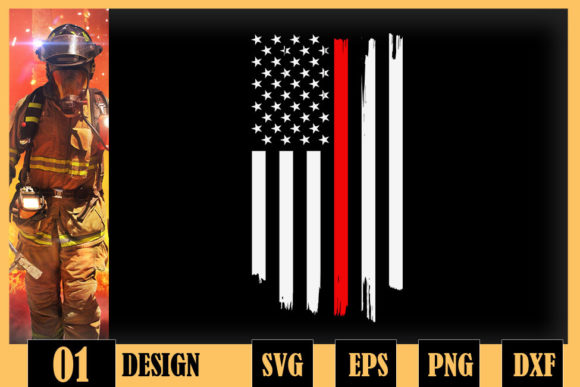
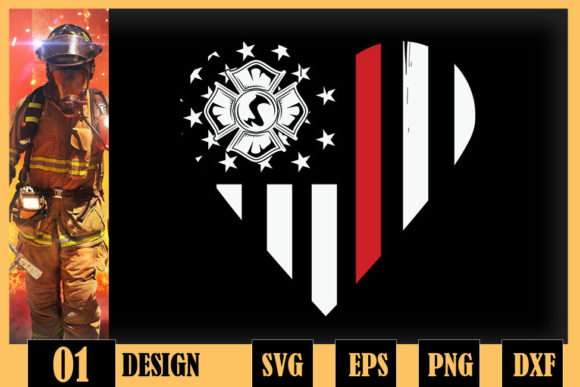
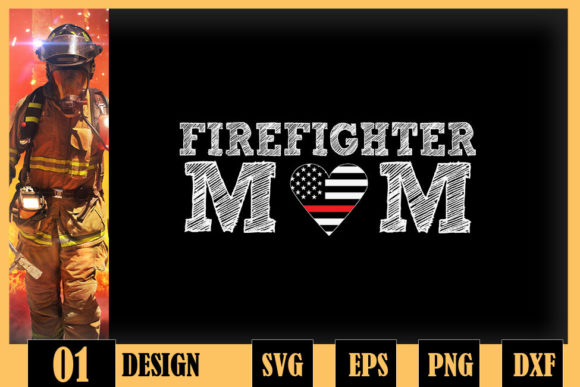
The moment you open the file, the theme is unmistakable. The "Thin Red Line" motif carries immediate weight. It isn’t just a flag; it’s a symbol of sacrifice, pride, and support. For an embroidery designer, the challenge with symbolic graphics is ensuring the message remains legible after stitching. Firefighter Mom Thin Red Line Flag strikes a balance between bold symbolism and delicate sentiment. The layout feels structured yet approachable, avoiding the cluttered look that often plagues novelty designs. It creates a mood of quiet strength. It doesn’t shout; it states. This subtlety is exactly what makes it suitable for everyday wear rather than just ceremonial display. Visually, the design personality is professional, respectful, and deeply personal—a combination that resonates strongly with buyers looking for meaningful custom apparel.
Real-World Application: Where Does It Fit?
I recently imagined this design on a few different substrates to see where it would truly shine. The most obvious application is sweatshirt embroidery. There is something inherently cozy about a thick cotton blend hoodie featuring a tribute design. Imagine a firefighter’s spouse wearing this on a casual Saturday morning. The design commands respect without being overly aggressive. It works beautifully as a chest-left placement on a crewneck sweatshirt, offering a subtle nod to their partner’s profession.
However, the versatility extends beyond outerwear. I envision this tote bag design being highly successful for craft fairs or Etsy listings. A sturdy canvas tote embroidered with this flag becomes a functional piece of advocacy. It turns a simple accessory into a conversation starter. Furthermore, for those selling baby embroidery, placing a scaled-down version on a onesie or a muslin blanket adds a layer of tender protection. Parents in this demographic are often looking for items that feel safe, supportive, and proud. This design hits that emotional note perfectly.
It also translates well to embroidered patches. If you are creating collectible or uniform accessories, the clean lines of the flag work exceptionally well as a patch. It can be attached to caps, hats, or even backpacks, allowing the wearer to carry the symbol with them throughout their day. For kitchen towel or pillow cover projects, the design adds a touch of home decor that honors service while remaining stylish enough for a modern living room.
Technical Performance and Stitch Clarity
From a technical standpoint, machine embroidery design files need to withstand the rigors of the hoop and the needle. The flag elements typically rely on strong fill stitch areas to create solid color blocks, which provide good coverage and durability. The thinner lines, likely executed in satin stitch or running stitch, require careful attention to density. In my experience, thin lines can sometimes disappear if the stitch density is too low or if the thread colors lack sufficient contrast against the fabric.
This design appears to have distinct separations between elements, which helps prevent color bleed during stitching. However, because it includes fine details associated with the flag’s stripes and any accompanying text, it is crucial to inspect the digitization closely. If the lines are too close together, they may merge into a muddy blob, especially on textured fabrics. The design’s success relies heavily on the quality of the underlying digitization. It performs best when the hoop size allows for proper tensioning without distorting the central graphic. If the design is too large for a standard 4x4 hoop, ensure your machine can handle the larger dimensions to maintain edge definition.
Where Caution Is Required
No design is perfect for every substrate. I advise exercising caution when using Firefighter Mom Thin Red Line Flag on highly textured fabrics like heavy chenille or loose-weave burlap. The texture can obscure the finer details of the flag, making it look messy rather than intentional. Similarly, stretchy knits require a robust stabilizer to prevent puckering. Without adequate backing, the tension from the fill stitch can warp the garment, ruining the crispness of the lines.
Another area to watch is dark fabric. While red and white stand out well against navy or black, ensure your white thread is opaque. Cheap white thread can turn yellowish or translucent over time, dulling the impact of the design. Also, consider the final product’s lifecycle. If this is intended for frequent washing, such as a custom apparel item worn daily, verify that the design has enough underlay stitches to keep the fabric stable. Decorative accents should not compromise the structural integrity of the embroidery.
Impact on Brand and Customer Trust
For Etsy sellers and small shop owners, presentation is everything. A well-executed digital embroidery file elevates your brand from amateur to professional. When customers see a clean, precise finished product, they trust the quality of your work. This design, when stitched correctly, conveys professionalism and attention to detail. It suggests that you understand the gravity of the subject matter and have taken care to represent it accurately.
Furthermore, the emotional connection drives engagement. Buyers aren’t just purchasing a flag; they are purchasing a way to express their pride and support. By offering a high-quality handmade product that resonates with these feelings, you build deeper loyalty. The design serves as a visual anchor for your craft business, helping to define your niche as one that specializes in meaningful, tribute-based creations. It enhances the perceived value of your items, allowing you to justify premium pricing for personalized gifts and boutique branding.
Practical Designer Notes for Success
- Test Before You Sell: Always stitch a sample on scrap fabric before committing to a customer’s order. Check for thread colors contrast and overall balance.
- Check Licensing: Confirm whether you have commercial rights to sell finished items made from this graphics file. This is critical for legal safety.
- Use Proper Stabilizer: Match your stabilizer to the fabric weight to prevent distortion and ensure longevity.
- Mockup Wisely: Use printable mockup tools to visualize the design on various garments. Test in black and white to check contrast levels.
- Inspect Details: Zoom in on the digital file to ensure no tiny elements are missing or poorly digitized.
In conclusion, Firefighter Mom Thin Red Line Flag is a thoughtful, emotionally resonant addition to any embroidery project library. It offers versatility across multiple product categories, from apparel decorators to digital product sellers. With careful execution and proper preparation, it can become a standout item in your collection, appealing directly to a passionate and engaged audience. It is not just a design; it is a statement of support, stitched with precision and heart.