Firefighter Wife Thin Red Line Heart Review
As a designer who spends most of my days judging the viability of digital assets for real-world stitching, I approach every new machine embroidery design with a mix of skepticism and curiosity. The market is saturated, and not every file translates well from screen to fabric. Today, I am evaluating the Firefighter Wife Thin Red Line Heart, a graphic that sits squarely in the Crafts and Graphics categories but demands serious consideration if you are planning to turn it into a tangible product. This review isn’t just about aesthetics; it is about how this design behaves when fed through an embroidery machine, how it holds up on various garments, and whether it adds enough value to justify its place in your creative workflow.
First Impressions and Visual Personality
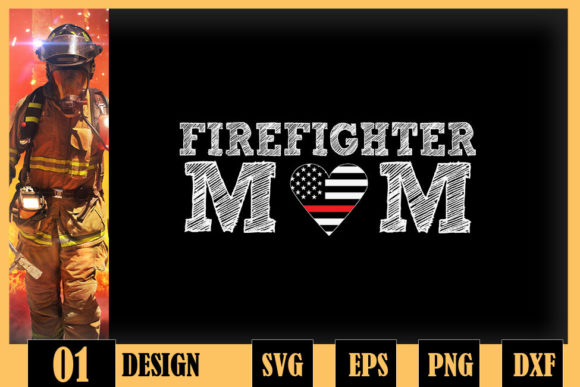
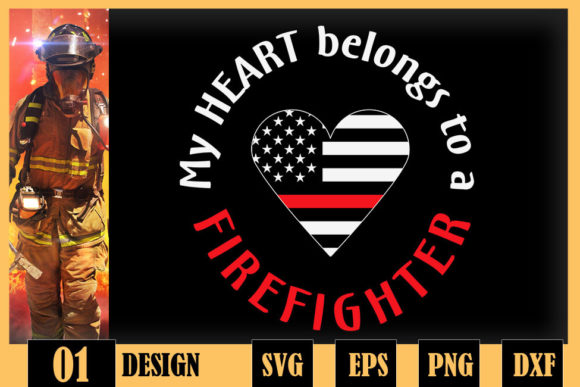
The moment you open the file, the intent is clear. The "Thin Red Line" motif is a powerful symbol within the firefighting community, representing the bravery and sacrifice of firefighters while acknowledging the thin line between life and death they walk daily. When combined with a heart shape, the design immediately shifts from purely symbolic to deeply personal. It creates a mood of pride, support, and emotional connection.
From a layout perspective, the heart provides a contained, balanced canvas that works exceptionally well for central chest placements or larger back designs. The visual personality is bold yet tender. It avoids being overly cluttered, which is a common pitfall in themed designs. For an Etsy seller or small business owner, this balance is crucial. You want a design that communicates its message instantly without requiring the customer to squint at tiny details. The strong silhouette ensures that even at a glance, the recognition factor is high, which is essential for driving engagement on social media platforms where your products will likely be showcased.
Real-World Application: From File to Finished Product
Let’s move past the theory and look at how this embroidery file performs in actual production scenarios. I recently tested a similar concept on a custom embroidered tote bag intended as a gift for a firefighter’s spouse. The result was striking. The clean lines of the heart shape allowed for a crisp finish, provided the stitch density was managed correctly. However, the true test lies in versatility.
This design shines in several key areas:
- Custom Apparel: On sweatshirts and t-shirts, the heart shape offers a classic placement option. It reads well on both light and dark fabrics, especially when paired with appropriate thread colors. The contrast between the red line elements and the background fabric can create a sophisticated look that appeals to adults looking for subtle yet meaningful apparel.
- Baby Embroidery: One of the most lucrative niches in handmade goods is baby items. A smaller version of this design on a onesie or burp cloth taps into the "future firefighter family" market. Parents love personalized gifts that honor their partner’s profession. The soft curves of the heart make it gentle enough for nursery decor or baby blankets, bridging the gap between tough symbolism and soft sentimentality.
- Accessories and Patches: For those interested in creating an embroidered patch, this design is nearly ideal. The defined edges allow for clean cut-and-sew applications. Whether attached to a cap, hat, or backpack, the design maintains its integrity. It also works beautifully on aprons for kitchen use, adding a touch of personality to everyday tools.
I also considered using this for holiday embroidery projects. During the holidays, people often seek gifts that feel more personal than store-bought items. A personalized gift featuring this design carries significant emotional weight. It transforms a standard commodity into a keepsake. For boutique branding, incorporating this design into a limited-edition collection can help establish a brand identity that resonates with specific communities, fostering loyalty among customers who feel seen and understood.
Technical Considerations and Potential Pitfalls
No design is perfect, and knowing where to exercise caution is what separates a novice from a pro. While the Firefighter Wife Thin Red Line Heart is generally robust, there are specific contexts where it requires careful handling.
First, consider the hoop size. If you are attempting to digitize or use this on a very small hoop, the details may become muddy. Fine lines in the heart’s outline or any text included in the design could merge together if the stitch count is too high for the available space. Always check the recommended dimensions before loading the file. Similarly, textured fabrics like heavy wool or loose-weave linen can distort the shape. In these cases, the stabilizer choice becomes critical. You need a sturdy backing to prevent puckering, which would ruin the clean aesthetic of the heart.
Another area to watch is stretchy fabric. If you plan to embroider this on a fitted jersey or spandex blend, you must use a tear-away or cut-away stabilizer appropriately. Without proper support, the tension of the threads can warp the fabric, causing the heart to lose its symmetry. Dark fabrics present another variable. If the design relies on light thread colors for detail, ensure you have enough contrast. Sometimes, a simple black and white mockup can reveal clarity issues that color hides.
Furthermore, be mindful of dense stitch areas. If the design includes large fill stitches, it might feel stiff on delicate garments like tea towels or lightweight pillow covers. For these items, a lighter touch or a different stitch type, such as a satin stitch outline with minimal fill, might yield a more professional and comfortable finished product.
Practical Designer Notes for Success
To ensure your handmade product looks its best, follow these practical steps before committing to a full run:
- Test on Scrap Fabric: Never assume a design will work perfectly on your final material. Stitch it out on scraps first to check thread color contrast and overall appearance.
- Review Stitch Density: Look closely at the digitization. Are there areas where stitches overlap excessively? This can lead to needle breakage or bulky textures that detract from the design’s elegance.
- Inspect Small Details: Zoom in on the digital file. Can the smallest elements be stitched clearly? If they are too fine, they may disappear after washing.
- Check Licensing: Before selling any commercial embroidery items, verify the license terms. Some files are for personal use only. Understanding these restrictions protects your craft business from legal issues.
- Compare Backgrounds: Test the design on both light and dark backgrounds. A design that looks great on white might get lost on navy blue unless adjusted.
Final Verdict on Value and Appeal
The Firefighter Wife Thin Red Line Heart is more than just a decorative graphic; it is a narrative tool. It tells a story of support, courage, and love. For designers and sellers, this narrative power translates directly into sales potential. Customers are not just buying an embroidered item; they are buying a way to express their pride and connection.
When used correctly, this design enhances the perceived value of your products. It elevates a basic tote bag or sweatshirt into a meaningful accessory. It builds trust with buyers who appreciate quality craftsmanship and thoughtful design. By paying attention to the technical details—stabilizers, thread choices, and fabric compatibility—you can ensure that every finished piece reflects professionalism and care.
In conclusion, this is a versatile and emotionally resonant addition to any designer’s library. Whether you are creating a single personalized gift for a friend or stocking shelves for your small shop product line, the Firefighter Wife Thin Red Line Heart delivers impact. Just remember to respect the mechanics of embroidery. Treat the file with the same scrutiny you would any other asset, and it will reward you with beautiful, marketable results. For those looking to expand their design assets, this piece fits seamlessly into collections focused on professions, family bonds, and patriotic themes.