Christmas Trees and Presents Please Embroidery Review
As a designer who spends half the year prepping for the holiday rush, I don’t just buy embroidery files; I vet them. I look at how they stitch out, how they translate to physical products, and whether they actually add value to a handmade brand. When Christmas Trees and Presents Please landed in my review queue, I didn’t see it as just another clipart image. I saw it as a potential core asset for a line of custom apparel and boutique gifts. This is a machine embroidery design that leans heavily into traditional holiday cheer, and after putting it through its paces in my studio, here is my honest take on where it fits in your workflow.
First Impressions: Mood and Visual Personality
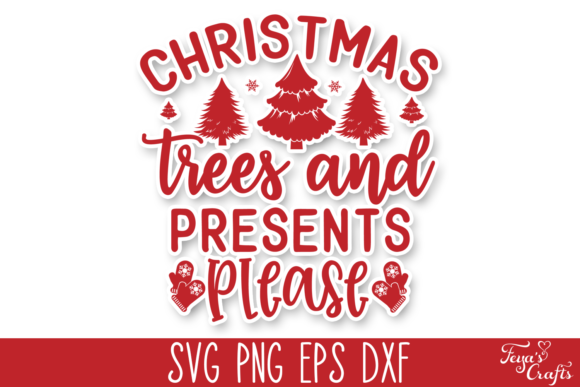
The immediate vibe of this design is nostalgic warmth. It isn’t trying to be modern, minimalist, or abstract. Instead, it embraces the classic iconography of the season. The phrase "Christmas Trees and Presents Please" suggests a sense of anticipation and childlike wonder, which makes it incredibly versatile for targeted demographics. Visually, the layout balances text with illustrative elements—likely stylized trees and gift boxes—that create a cohesive block of interest.
From a graphic design standpoint, the hierarchy works well. The text anchors the composition, while the graphical elements provide texture and visual weight. For an embroidery file, this balance is crucial because dense text can sometimes look cluttered when stitched, but pairing it with open-space graphics like trees helps break up the density. It feels friendly, approachable, and instantly recognizable. It doesn’t require the viewer to squint to understand the message; it delivers the holiday spirit immediately.
Real-World Application: Where This Design Shines
I’ve tested various designs in real production scenarios, and Christmas Trees and Presents Please has a natural home in several specific product categories. It’s not a one-size-fits-all solution, but within its niche, it performs exceptionally well.
- Custom Apparel and Sweatshirts: This design is perfect for a chest-left placement on a crewneck sweatshirt or a large center-back print on a festive t-shirt. The combination of quote and imagery translates beautifully to cotton blends, offering a soft, tactile finish that customers love.
- Baby and Nursery Items: Because the tone is gentle and whimsical, it works wonderfully for baby bodysuits, burp cloths, or nursery wall hangings. Parents often look for items that feel cozy and traditional, and this design hits that emotional note.
- Home Decor and Kitchen Textiles: Think tea towels, aprons, and pillow covers. A tote bag design featuring this motif could also sell well at craft fairs, especially if paired with sturdy canvas fabric.
- Personalized Gifts: The word "Please" invites personalization. You can easily add names or dates below the main graphic, turning a generic design into a high-value personalized gift.
For the Etsy seller or small shop product owner, this design offers high perceived value. It looks like a complete concept rather than a random element. When you present a mockup of a sweater with this embroidered, it sells itself as a ready-to-wear holiday staple.
Technical Considerations and Stitch Performance
Not all graphics are created equal when converted to stitches. Here is what you need to watch out for when digitizing or using this digital embroidery file.
Stitch Density and Detail: Ensure the tree needles and present ribbons aren’t overly dense. If the fill stitch is too tight, the fabric will pucker, ruining the drape of a sweatshirt. Look for a balanced stitch density that allows the thread to lay flat without distorting the base material. If the design includes small details like bow ties or tree ornaments, check that they are large enough to be defined by a satin stitch or running stitch.
Thread Color Contrast: This design relies on color to pop. On dark fabrics, you’ll need bright, saturated threads—think classic reds, greens, and golds. On light fabrics, you have more flexibility, but pastel threads might wash out the text. Always test your thread colors against your actual fabric stock.
Hoop Size Constraints: While the exact dimensions depend on the specific digitization, ensure the design fits comfortably within your standard hoop sizes (usually 4x4, 5x7, or larger). If you plan to embroider this on a cap or a curved surface, you may need to resize it carefully to avoid distortion on the curves.
Where to Use Caution
Even great designs have limitations. There are certain contexts where Christmas Trees and Presents Please might struggle:
- Small Hoop Sizes: If the design is complex, cramming it into a tiny 2x2 inch hoop might result in lost detail. Keep it simple or use a larger hoop.
- Textured or Stretchy Fabrics: Avoid placing this on heavy knits, fleece, or highly textured linen without proper stabilization. These fabrics can hide the definition of the satin stitch or cause the design to shift during stitching.
- Dense Stitch Areas: If the original digitization packs too many stitches into the lettering, it may become stiff and uncomfortable to wear. Check the back of the sample to ensure there isn’t excessive underlay that adds bulk.
- Frequent Washing: For items like kitchen towels or aprons that get washed often, ensure the design uses secure anchoring stitches so it doesn’t unravel over time.
Practical Designer Notes for Production
Before you start mass-producing handmade products with this file, follow these steps to protect your reputation and ensure quality:
- Test on Scrap Fabric: Never go straight to the final product. Stitch it out on the exact fabric type you intend to use. This reveals puckering, tension issues, or color mismatches early.
- Check Stabilizer Compatibility: Different fabrics require different stabilizers. Cut-away stabilizer is usually best for stretchy knitwear like sweatshirts, while tear-away might work for woven cotton tote bags. Using the wrong stabilizer can ruin the finished product.
- Inspect Small Details: Zoom in on the digital preview. Are the letters legible? Are the presents distinct from the trees? If details are too fine, they may merge together when stitched.
- Black and White Mockups: Convert the design to grayscale to check contrast. If the text disappears against the background graphics, you’ll need to adjust spacing or thread colors.
- Confirm Licensing: This is critical for commercial embroidery projects. Verify that you have the right to sell finished items made with this design assets. Some licenses allow commercial use, while others restrict it to personal gifts only.
Final Verdict
Christmas Trees and Presents Please is a solid, reliable choice for anyone looking to add a touch of traditional holiday charm to their inventory. It’s not avant-garde, but it doesn’t need to be. Its strength lies in its broad appeal and clear communication. For the craft business owner, it represents a low-risk, high-reward item that resonates with customers looking for comfort and nostalgia.
If you are preparing for the holiday rush, this design deserves a spot in your rotation. Just remember: the success of any embroidery project comes down to execution. Take your time with setup, choose your materials wisely, and let the design speak for itself. With proper technique, this file can help you create beautiful, marketable pieces that stand out in a crowded marketplace.