Problem Solver Svg. Teacher Shirt Svg
As a designer who spends more time looking at stitch density and thread contrast than scrolling through endless marketplaces, I approach every new digital asset with a healthy dose of skepticism. The market is saturated, but finding a design that actually translates well from screen to fabric is rare. Recently, I pulled Problem Solver Svg. Teacher Shirt Svg out of my library to test its viability for real-world applications. This isn’t just about whether the file opens correctly; it’s about whether the design holds up under the tension of an embroidery hoop, on textured fabrics, and in the hands of a customer who expects quality.
The First Impression: Mood and Layout
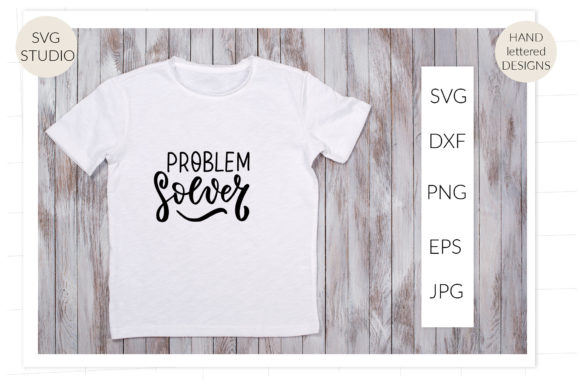
When you first load the vector into your digitizing software or preview tool, the immediate takeaway is clarity. The hand-lettering style suggests a casual, approachable vibe, which is perfect for the teacher demographic. It doesn’t feel rigid or overly corporate. Instead, it feels like something you’d see scrawled on a whiteboard during a long planning period—authentic and relatable. The phrase "Problem Solver" carries a weight that resonates deeply with educators, making this more than just a decorative element; it’s a statement piece.
From a layout perspective, the balance is solid. The curves of the letters allow for good flow, which is crucial when converting text-based graphics into machine embroidery. Unlike blocky fonts that can become muddy stitches, this hand-lettered aesthetic naturally guides the eye. For a small business owner or Etsy seller, this visual personality is gold. It stands out in a grid of thumbnails because it feels human-made, even though it’s a digital product.
Real-World Application: Where Does It Shine?
I put this design through its paces by imagining it on various substrates. The most obvious application is, of course, custom apparel. A crewneck sweatshirt or a high-quality cotton t-shirt becomes an instant hit. The design works beautifully as a chest pocket placement or centered on the back of a hoodie. When embroidered onto a soft fleece or heather grey jersey, the thread colors pop without overwhelming the garment. It transforms a basic blank into a personalized gift that feels thoughtful and specific.
Beyond clothing, this design has strong potential for accessories. I envision it stitched onto a durable canvas tote bag, perhaps near the handle attachment point. The sturdy nature of the bag complements the sturdy message of being a problem solver. It also lends itself well to aprons for teachers who love to bake or host classroom events. The versatility extends to baby items as well; imagine this embroidered on a tiny onesie for a teacher’s child or as part of a nursery decor set. The handmade presentation adds a layer of value that mass-produced prints simply cannot match.
For craft fair vendors and boutique branding, this design offers a quick win. It fits seamlessly into a collection of educational-themed merchandise. Whether you are creating holiday gifts for staff appreciation week or building a year-round shop inventory, the recognition factor is high. Customers buy these items not just for the utility but for the identity they represent. Wearing or using an item labeled "Problem Solver" signals resilience and competence, traits that buyers actively seek in their personal brands.
Technical Performance and Stitch Clarity
One of the biggest risks with text-based designs is legibility after stitching. Thin lines can break, and tight curves can bunch up. However, the structure of this particular graphic allows for clean execution. If you are using a satin stitch for the outlines, the spacing appears sufficient to prevent needle strikes from colliding. For fill areas, the design likely benefits from a standard density setting, ensuring that the fabric texture remains visible rather than being buried under excessive thread.
This is where having the EPS CS4 vector format comes in handy. As a designer, I appreciate the ability to scale and adjust the vector paths before finalizing the digitization. It allows for precise control over letter spacing (kerning) and overall proportions. If you are converting this manually, pay close attention to the negative space between letters. Ensuring that the threads do not touch unless intended is critical for a crisp finish. The included PNG transparent files are excellent for creating printable mockups to show customers what the finished product will look like before you commit to the fabric.
Where to Exercise Caution
No design is universally perfect, and knowing where Problem Solver Svg. Teacher Shirt Svg might struggle is just as important as knowing where it succeeds. I would advise against attempting this on very small hoop sizes. While the design is compact enough for many projects, cramming it into a 4x4 inch hoop might compromise the integrity of the lettering if not digitized carefully. Always check the minimum recommended dimensions provided by the creator.
Fabric choice plays a massive role here. Textured fabrics, such as heavy waffle knits or bouclé weaves, can distort the fine details of the hand-lettering. Similarly, stretchy fabrics like thin spandex blends require a heavy-duty stabilizer to prevent puckering. If the base material moves too much during stitching, the alignment of the letters could shift, resulting in a sloppy appearance. Dark fabrics are generally safe, but ensure your thread selection provides enough contrast. A dark navy shirt with black thread will disappear, whereas a cream-colored shirt with navy thread will sing.
Another area to watch is curved surfaces like caps. While possible, embroidering flat text on a curved brim or crown requires advanced techniques and proper hooping methods. For beginners or those running high-volume production, sticking to flat panels like tote bags, aprons, and pillow covers is safer and yields more consistent results. Also, be mindful of dense stitch areas. If the design includes decorative accents around the text, ensure that the total stitch count does not exceed the capacity of your machine’s hoop or the strength of the fabric.
Practical Designer Notes for Success
To get the best outcome, start by testing the design on scrap fabric that matches the weight and texture of your final product. This step is non-negotiable for professional results. Check the thread color contrast by viewing the fabric under different lighting conditions. Inspect small details closely; sometimes, what looks clear on a monitor becomes indistinct in thread form. Running a black and white mockup can help you evaluate the balance of light and dark areas without the distraction of color.
Use the correct stabilizer for your fabric type. Cut-away stabilizers are generally preferred for garments that will be washed frequently, as they provide lasting support. Tear-away stabilizers work well for stable fabrics like canvas but may leave residue on delicate materials. Before you begin production, confirm whether the license terms allow for commercial use. Many digital products are restricted to personal use only, so verifying your rights to sell finished items is essential to avoid legal issues.
Finally, consider how this design fits into your broader brand consistency. If your shop focuses on whimsical characters, this hand-lettered quote might feel slightly out of place. But if your aesthetic leans toward minimalist, motivational, or teacher-centric themes, it integrates perfectly. By treating Problem Solver Svg. Teacher Shirt Svg as a versatile tool rather than just a file, you can unlock its full potential in your craft business, creating products that resonate with customers and stand the test of time.