Everyday is a Second Change
When I sit down to evaluate a new digital embroidery file, I am rarely looking for just another pretty picture. I am looking for viability. Can this design survive the hoop? Will it hold up after ten washes? Does it communicate its message clearly when stitched into thread rather than displayed on a screen? Today, I am putting Everyday is a Second Change under the microscope. This is an SVG cutting file and graphic asset that claims to offer smooth, professional results in a 6×6 inch format at 300 dpi transparency. But how does it translate from a pixel-perfect preview to a tangible handmade product? Let’s look at the practical reality of using this quote design in real-world scenarios.
The First Impression: Mood and Layout
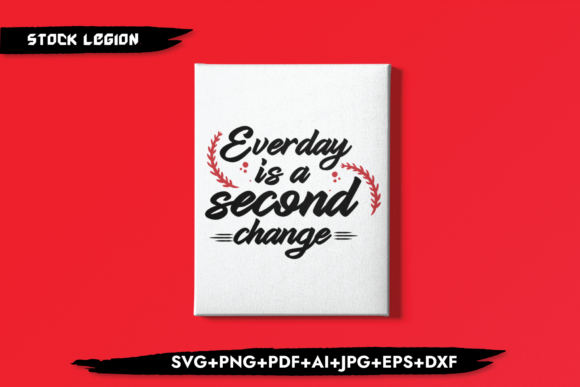
The title itself sets a specific tone. "Everyday is a Second Change" suggests resilience, renewal, and perhaps a touch of spiritual or motivational weight. As a designer, my first thought is not about the font choice alone, but about the emotional resonance of the phrase. It feels like a design meant for someone who needs a gentle reminder. This immediately narrows the ideal use case. It is not a loud, aggressive streetwear statement; it is a quiet confidence.
Visually, the layout appears balanced. In a 6×6 inch frame, space is precious. The design must avoid feeling cramped. From what I can see in the high-quality preview, the lettering has room to breathe. This is crucial for satin stitch work. If the letters are too close together, the needle will crowd, leading to puckering or broken threads. The clean lines suggest that this design relies on clear typography rather than complex, chaotic imagery. This simplicity is actually a strength. It means the design will remain legible even when stitched on curved surfaces or smaller items where detail can get lost.
Real-World Application: Where This Design Shines
I have been thinking about how I would deploy this machine embroidery design if I were running a small boutique shop. The versatility here is interesting because it bridges the gap between personal expression and commercial appeal. Here is where I see this design performing best:
- Custom Apparel and Sweatshirt Embroidery: A sweatshirt is the perfect canvas for this kind of reflective quote. Whether placed on the chest or centered on the back, the message stands out against the soft texture of fleece or cotton blends. It appeals to the customer who wants comfort with a meaning behind it.
- Tote Bag Design: Canvas totes are a staple for the Etsy seller or craft fair vendor. This design fits well on the front panel of a tote bag. It turns a utilitarian item into a statement piece. The contrast between the sturdy fabric and the delicate stitching adds a layer of perceived value.
- Baby Embroidery and Nursery Decor: There is something poignant about pairing a message about "second chances" or new beginnings with a baby item. It works beautifully on a onesie, a burp cloth, or a nursery wall hanging. Parents often buy these items as gifts, and the sentiment resonates deeply with them.
- Holiday Embryoidery and Gifts: While not explicitly holiday-themed, the concept of change and renewal fits well with New Year’s resolutions or end-of-year reflections. It makes for a thoughtful personalized gift that feels curated rather than mass-produced.
In each of these cases, the design elevates the finished product. It isn't just a logo; it's a conversation starter. For the craft business owner, this means higher engagement. Customers don't just buy a towel; they buy the idea written on it.
Technical Considerations and Stitch Behavior
As an experienced reviewer, I cannot ignore the technical side. The product description mentions that these are smooth, professional files. However, "smooth" is subjective until you see the stitch path. When evaluating any graphics intended for embroidery, I always consider the stitch density.
If this design uses heavy fill stitch areas, it might become stiff and uncomfortable on wearable items like hats or baby clothes. Conversely, if it relies too heavily on running stitch for definition, it may lack visual impact on dark fabrics. The 6×6 inch limit is a constraint, but also a benefit. It forces the designer to be concise. I recommend checking the underlying vector paths if possible. Are the curves sharp enough to prevent needle deflection? Are the corners defined?
Another critical factor is the thread colors. Since this is primarily a text-based design, color contrast is everything. On a white tote bag, a light pastel thread might disappear. On a black cap, a bright neon thread might look garish unless that is the intended aesthetic. I advise testing this design with at least three different colorways before committing to a production run. Always inspect small details by viewing the design in black and white mockups to ensure legibility regardless of color.
Fabric and Stabilizer Choices
The success of this project will largely depend on what you stitch it onto. Fabric texture plays a huge role. A tightly woven cotton duck canvas will hold the stitches crisply. A loose-weave linen or a highly textured boucle fabric might distort the shape of the letters. Similarly, stretchy fabrics like jersey knits require a strong tear-away or cut-away stabilizer to prevent the design from warping during the stitching process.
For items like aprons or kitchen towels, which undergo frequent washing, the durability of the stitch is paramount. A dense satin stitch border can help anchor the design, preventing fraying over time. If you are creating commercial embroidery products, you need to assure your customers that their purchase will last. This design, with its clean lines, should hold up well provided the correct stabilizer is used.
Pitfalls to Avoid
Even a great design can fail due to poor execution. Here are a few areas where you should exercise caution with Everyday is a Second Change:
- Small Hoop Sizes: While designed for 6×6, resizing it down significantly can cause small details to merge. If you plan to embroider this on a tiny patch or a child’s pocket, test it thoroughly. Tiny lettering can become illegible blobs if the hoop size is reduced too much.
- Dense Stitch Areas: If the design includes decorative accents or thick fills, be mindful of the fabric's ability to handle the bulk. Too many layers of thread can create a stiff, cardboard-like feel that detracts from the comfort of the garment.
- Curved Surfaces: Embroidering flat designs on curved surfaces like baseball caps requires skill. The tension must be adjusted carefully to prevent puckering around the edges of the curve.
Final Verdict for Designers and Sellers
After analyzing the mood, layout, and potential applications, my conclusion is that Everyday is a Second Change is a strong contender for the craft business toolkit. It strikes a balance between inspirational messaging and clean, professional aesthetics. It is versatile enough for custom apparel, meaningful enough for personalized gifts, and simple enough to execute reliably on various fabrics.
For the small shop product creator, this design offers a low-risk, high-reward opportunity. It doesn't require complex color changes or exotic techniques. It relies on good typography and solid construction. Before adding this to your inventory, remember to check the licensing terms if you plan to sell finished items. Ensure you understand whether you are purchasing a digital embroidery file for personal use or one that grants commercial rights.
Ultimately, the best designs are those that connect with the wearer. This quote speaks to hope and renewal. By stitching it with care, using the right thread colors and stabilizers, you create more than just an embroidered patch or a decorated tote. You create a keepsake. And in the world of handmade goods, that emotional connection is what drives sales and builds brand loyalty. Test it on scrap fabric first, trust your eye, and let the quality of the stitch speak for itself.