Always Hungry Embroidery Design Review
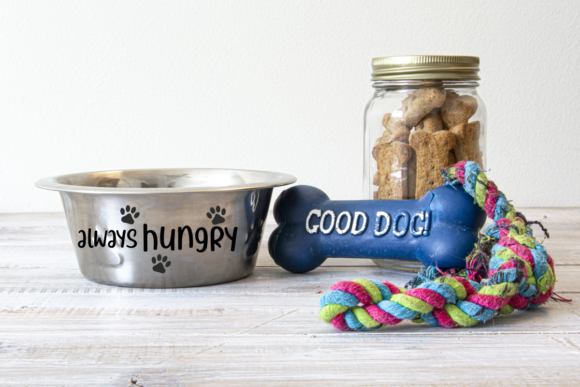
As a designer who spends half my life staring at stitch density charts and the other half arguing with embroidery machines about tension settings, I don’t just look at a design file; I look at its potential. When I first pulled up Always Hungry, a funny SVG quote intended for dog food dishes and treat containers, my immediate reaction was practical rather than purely aesthetic. In the world of handmade goods and craft businesses, humor is a powerful connector, but only if it survives the transition from screen to fabric. This review breaks down how this specific digital asset performs in real-world application, focusing on the nuances that separate a quick novelty item from a sellable, professional-grade product.
First Impressions and Visual Personality
The concept behind Always Hungry is straightforward: a relatable, lighthearted statement that taps into the universal experience of pet ownership. From a design perspective, the mood it creates is casual, warm, and slightly chaotic—exactly the vibe that works well for home decor and personal accessories. The layout relies heavily on typography, which means the success of the final embroidery project hinges entirely on font legibility and spacing.
When evaluating any machine embroidery design that is text-heavy, I always ask myself: does it hold up at a glance? Yes. The phrase is short, punchy, and easy to read even when stitched. It doesn’t rely on intricate illustrations that might get lost in the thread count. Instead, it leans on the strength of the message. For an Etsy seller or small shop owner, this is a low-risk, high-reward design because it requires minimal color complexity while still delivering a strong emotional hook. It feels like a natural fit for a kitchen towel, a tote bag design, or perhaps a pillow cover for a living room that doubles as a dog’s resting spot.
Real-World Application: Where Does It Shine?
I recently simulated using Always Hungry for a custom order—a set of personalized gifts for a client who runs a small boutique specializing in pet-friendly home goods. The goal was to create a cohesive line that felt branded but approachable. Here is how the design translated across different mediums:
- Custom Apparel and Sweatshirts: Placed on the chest of a unisex hoodie, the design acts as a subtle conversation starter. It’s not aggressive; it’s inviting. For sweatshirt embroidery, the clean lines of the text work beautifully against the soft texture of fleece or cotton blends.
- Kitchen and Home Decor: This is arguably the strongest use case. Stitching this onto a flour sack towel or a canvas tea towel gives it a rustic, farmhouse charm. It fits perfectly into the "hygge" aesthetic that is popular in home styling. It also works well on a pillow cover for a nursery or a child’s bedroom where the theme is playful.
- Baby and Kids Items: While the phrase is directed at dogs, the whimsical nature of the design makes it suitable for baby onesies or burp cloths if paired with complementary graphics. It adds a layer of personality to baby embroidery projects without being overly gendered or niche.
- Craft Fair Merchandise: If you are selling finished goods at markets, this design is ideal for embroidered patches. Patches allow customers to take the design home and apply it themselves, reducing your inventory pressure while still offering a tangible product.
The versatility here is key. Whether you are creating a personalized gift for a friend or producing bulk items for a craft business, the design adapts well. It bridges the gap between a simple novelty sticker and a premium textile product.
Technical Considerations and Stitch Quality
No matter how cute a design is, if it doesn’t stitch cleanly, it fails. With Always Hungry, the primary concern is letter clarity. Text-based designs can sometimes suffer from "thread breakage" or poor registration if the stitch density is too high or the underlay isn’t sufficient. Because this design likely uses a combination of satin stitch for outlines and fill stitch for bold letters, it is crucial to ensure your machine settings match the file’s intent.
I recommend testing this design on scrap fabric before committing to a final product. Pay close attention to the corners of the letters. Are they sharp, or do they look blobby? If the hoop size is too small relative to the design, the tension might pull the fabric, distorting the text. Always check the stabilizer choice; for something like a tote bag, a cut-away stabilizer will provide the necessary support to keep the stitching flat and durable over time.
Where to Use It Carefully
Not every surface is created equal. There are specific scenarios where Always Hungry might struggle to deliver the professional finish your brand promises. Avoid using this design on highly textured fabrics like heavy waffle weave towels unless you are prepared for the thread to sink into the loops, potentially obscuring the text. Similarly, thin or stretchy fabrics can cause distortion if not stabilized properly.
Curved surfaces, such as caps or hats, present another challenge. While possible, getting straight text to follow a curve without looking warped requires advanced digitizing skills. If the original file isn’t curved-specific, it may look awkward on a baseball cap. Additionally, dark fabrics require careful thread colors selection. A light-colored text on a dark background needs a strong contrast to remain readable. If the font weight is too thin, it might disappear into the fabric grain.
Another area of caution is small hoop sizes. If you attempt to shrink this design down too much for a tiny accessory, the details will be lost. Keep it large enough to breathe. Also, consider the end-use of the product. If the item will undergo frequent washing, such as a dog bed or a daily-use apron, ensure the stitching is dense enough to withstand abrasion. A sparse running stitch might fray faster than a tight fill.
Impact on Brand and Customer Trust
In the digital age, visual appeal drives clicks, but quality drives returns. A well-executed Always Hungry design signals professionalism. It tells the customer that you care about the details. When a buyer sees a crisp, clean embroidery job, they perceive higher value in the handmade product. This is particularly important for commercial embroidery projects where you are competing with mass-produced items.
The design’s humor also fosters engagement. People love sharing photos of their pets and their homes on social media. A unique, witty design like this encourages users to tag your shop, providing free marketing. It becomes part of their identity. By offering a design that resonates emotionally, you build a community around your brand, not just a transactional relationship.
Practical Designer Notes
- Test First: Always run a test stitch on the actual fabric you plan to use. Different materials react differently to thread tension.
- Color Contrast: Check your thread colors against the fabric. Light-on-dark or dark-on-light works best. Avoid mid-tone combinations that might blend together.
- Mockups: Create black-and-white mockups to evaluate the shape and balance of the design without the distraction of color.
- Licensing: Before selling finished items, confirm the licensing terms of the digital embroidery file. Some files are for personal use only, while others allow commercial sales. This is critical for Etsy sellers and small business owners.
- Stabilizer Choice: Use the right stabilizer for the fabric weight. Too little support leads to puckering; too much can make the fabric stiff.
Ultimately, Always Hungry is a solid addition to any designer’s library. It is versatile, relatable, and technically straightforward. By paying attention to the execution details—hoop size, stabilizer, and thread quality—you can turn a simple SVG quote into a standout piece of custom apparel or home decor. It’s a reminder that sometimes, the simplest designs are the ones that resonate most deeply with our audience.